









Guides 6 min read
How to make perfume last longer on skin
Moisturiser, pulse points, the wrist-rubbing habit, where you keep the bottle, and why you stop smelling your own perfume by ten o'clock.
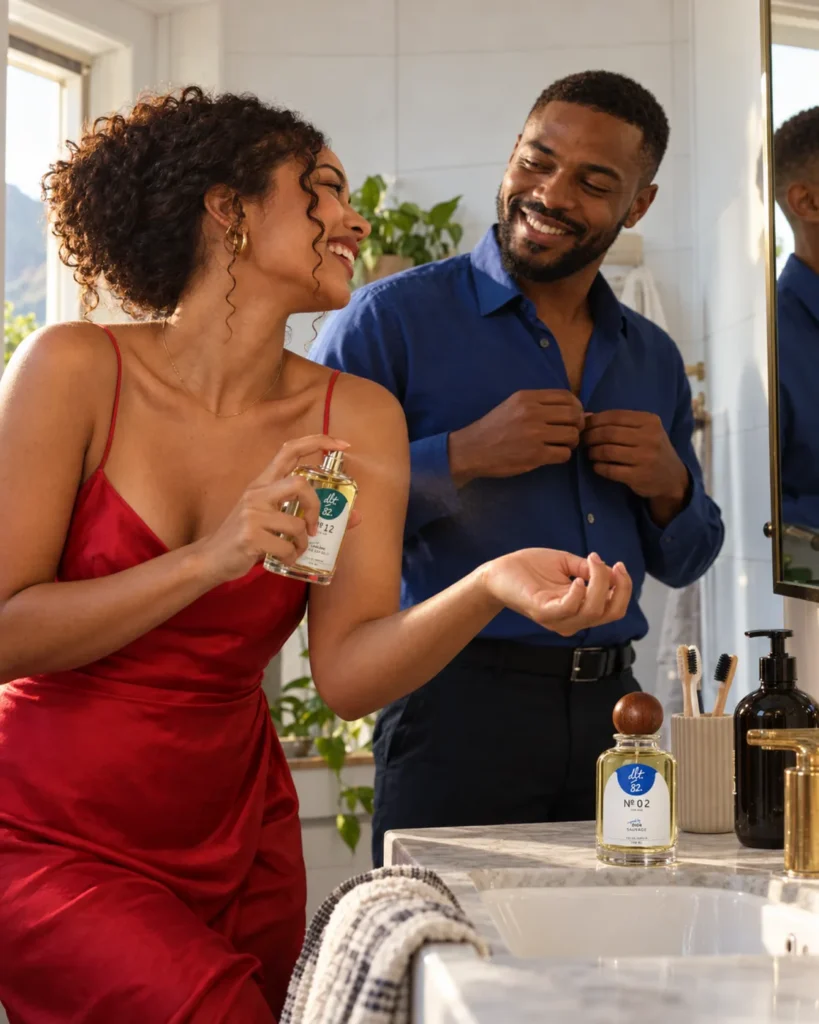
How to make perfume last longer on skin comes down to three things: what you spray it onto, where you spray it, and what you do with the bottle afterwards. None of it costs much and most of it you can start tomorrow morning. There is also one reason your perfume seems to vanish that has nothing to do with the perfume at all, and we will get to that.
How to make perfume last longer on skin: start with moisturiser
If you want one answer to how to make perfume last longer on skin, it is this: perfume holds on better to skin that is not dry. Dry skin gives the oil very little to sit on, so the scent evaporates faster.
- Use an unscented lotion where you plan to spray, a minute or two before. Unscented, so it does not argue with your perfume.
- Or a very thin layer of petroleum jelly on your pulse points. A thin layer, not a coat. It gives the fragrance oil something to cling to.
- Do this every day, not only on the big nights. Skin that is moisturised as a habit holds scent better than skin that gets lotion once a month.
Spray after a shower
The right time to put perfume on is just after a shower, once you have dried off and moisturised. Your skin is clean, there is nothing on it competing with the scent, and the lotion has just gone on. Spraying over yesterday’s deodorant and this morning’s sunscreen is a different experience entirely.
Pulse points, and why they work
Pulse points are where blood runs close to the surface, so the skin there is a little warmer. Warmth helps a scent rise off you and keeps it moving through the day.
- Inside of the wrists
- Inside of the elbows
- Base of the throat
- Behind the ears
- Back of the neck, under the hair, which is a good spot for people who find perfume too loud near their own nose
Two or three of these is plenty. You are not trying to cover yourself.
Do not rub your wrists together
Almost everybody does it and almost every perfumer would rather you did not. Rubbing warms the skin and hurries the opening along, so the top notes, the bright first part, burn off faster than they were meant to. Spray, then leave it. Let it dry on its own. If you must, dab your wrists together once, lightly.
Clothes and hair, carefully
Fabric holds scent well, often for longer than skin does. A light mist on a scarf or the inside of a jacket collar can keep a perfume going long after it has faded on you. Two warnings:
- Fragrance oil can mark fabric. Silk, satin and light colours are most at risk. Test on an inside seam first, and spray from a distance so it settles as a mist rather than a wet patch.
- Alcohol dries hair. Rather than spraying directly onto your hair, spray once onto a hairbrush and brush through, or walk through a mist. Hair holds scent beautifully. It does not need much.
Store it away from heat and light
Heat and light break down fragrance oil over time, which flattens the scent and can change how it smells. The bathroom windowsill is the worst place in the house for a perfume, and the cubbyhole of a car parked in the sun is worse.
- Keep it in a cupboard or a drawer, in its box if you still have it.
- Keep the cap on.
- Keep it somewhere that stays roughly the same temperature all year.
This does not make it last longer on your skin today, but it keeps the perfume in the bottle smelling the way it did the day you opened it.
Nose blindness: why you stop smelling your own perfume
Here is the one that has nothing to do with the perfume. Your nose stops paying attention to a smell it has been around for a while. It is called olfactory adaptation, and it is your brain deciding that a constant smell is not news. Most people know it as nose blindness.
So you put on perfume at seven, stop noticing it by nine, and assume it has gone. Very often it has not. The people around you can still smell it perfectly well. This is why people who wear the same scent every day sometimes end up spraying far too much.
Before you reapply, ask someone you trust whether they can still smell it. Or smell the inside of your wrist after you have been in another room for a while, which gives your nose a chance to reset.
How to make perfume last longer on skin with heavier notes
The last part is the perfume itself. Some materials are simply heavier and evaporate more slowly than others.
- Lightest, gone first: citrus, like lemon, bergamot and grapefruit, plus mint and most fresh, sparkling notes.
- The middle: florals and spices, like rose, jasmine, cardamom and pepper.
- Heaviest, there longest: vanilla, amber, oud, musk, tonka, leather and woods like sandalwood and cedar.
That is a general pattern, not a promise, and it plays out differently on different skin. But if your perfume always seems to fade early, a scent built on a heavier base is the simplest change you can make. In our range, the Dark, Amber and Sweet families lean that way. A few to start with:
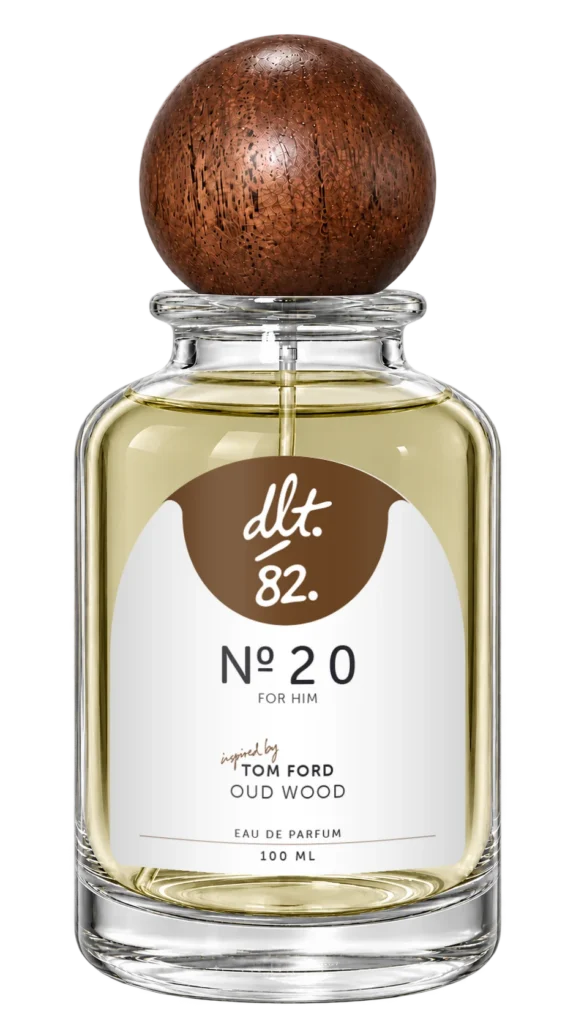
- dlt/20, inspired by Tom Ford Oud Wood. Oud through the middle, then sandalwood, vanilla and amber at the base.
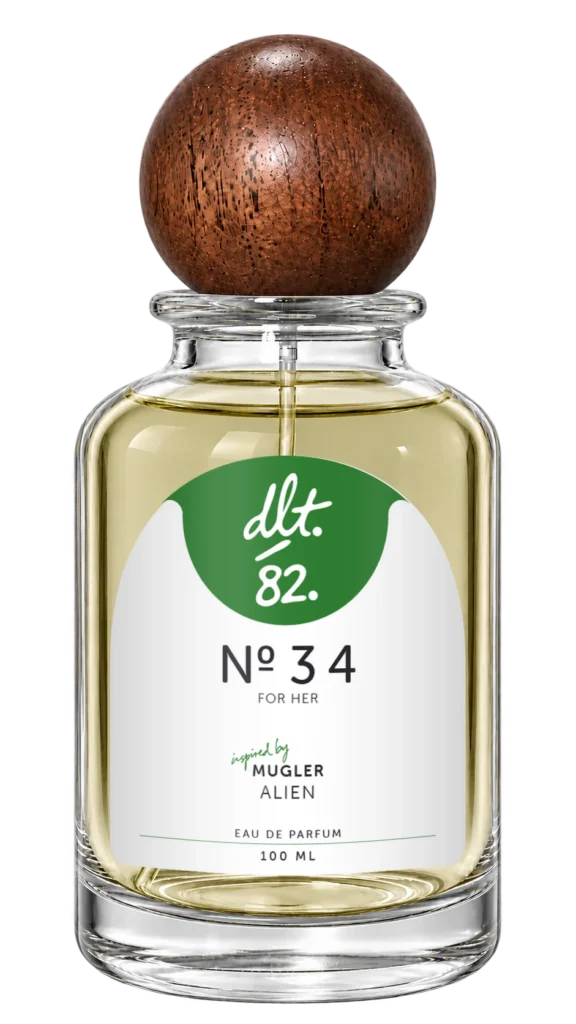
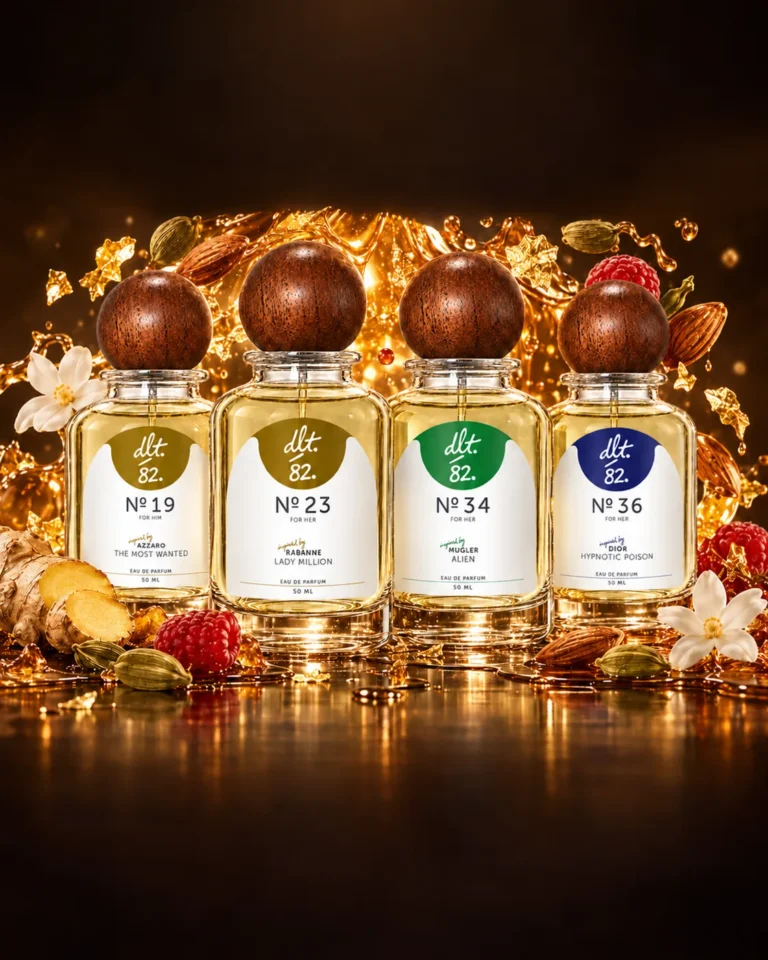
- dlt/34, inspired by Mugler Alien. Jasmine, then white amber at the base. One spray is enough.
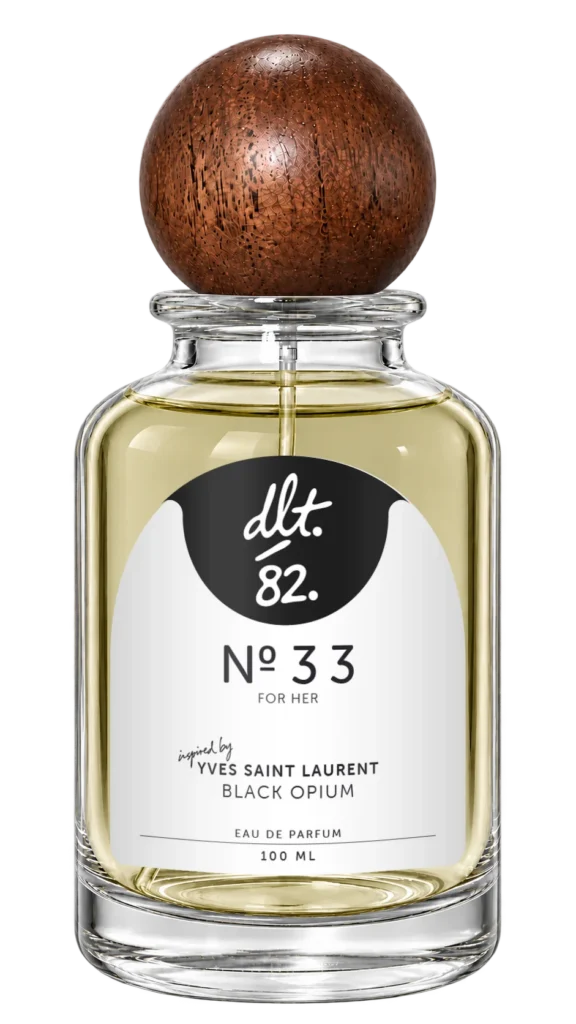
- dlt/33, inspired by Yves Saint Laurent Black Opium. Coffee to start, vanilla and patchouli at the base.
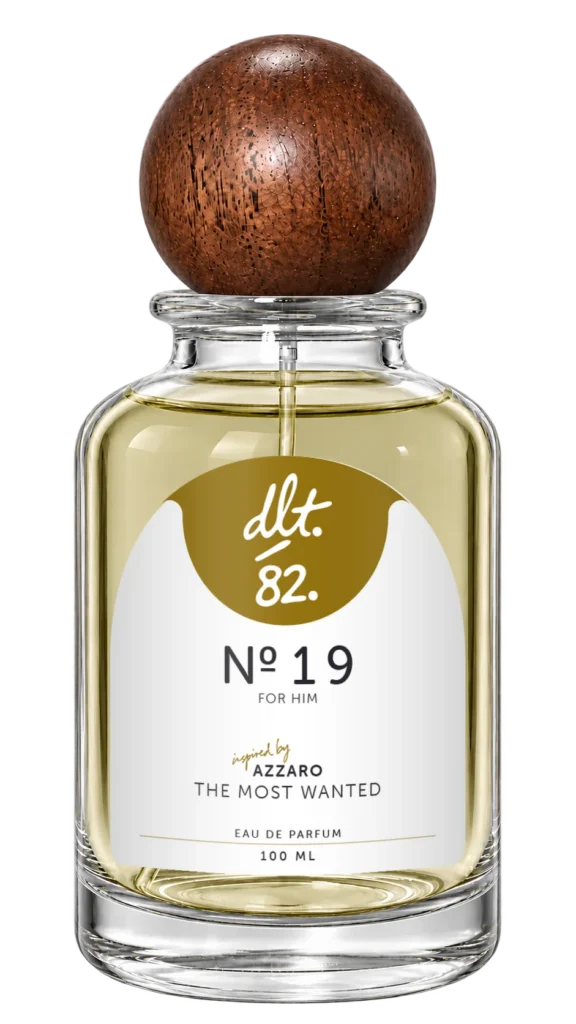
- dlt/19, inspired by Azzaro The Most Wanted. Amberwood, vanilla and tonka, very generous.
The fresh ones, like dlt/01, inspired by Armani Acqua di Gio, are built on citrus at the top, so they will always read lighter by the afternoon. That is part of their charm. Keep a 50ml in your bag and give it one more spray after lunch. That is how to make perfume last longer on skin when the perfume is a light one: you carry it.
All of ours are eau de parfum at 20% fragrance oil, so the concentration is the same across the range. What changes is the notes. If you want to filter by family, the scent finder does it in one tap.
Frequently asked questions
Why does perfume not last on my skin?
The usual reasons are dry skin, a light concentration such as an eau de toilette or body mist, a scent built mostly on citrus, or nose blindness, where you stop noticing it but other people still can. Moisturising first and choosing heavier base notes help most.
Does perfume last longer on clothes than on skin?
Often, yes. Fabric does not warm up or absorb oil the way skin does. Test on an inside seam first, as fragrance oil can mark silk and light colours.
Should I reapply perfume during the day?
Only if you are sure it has faded. Ask someone before you do, because your own nose stops noticing a scent long before it has gone. One spray is usually enough to refresh it.
Does eau de parfum last longer than eau de toilette?
Generally, yes. Eau de parfum usually has more fragrance oil, commonly around 15 to 20%, against roughly 5 to 15% for eau de toilette. Ours are eau de parfum at 20%.
Featured in this article
More from the Journal
All notes
Guides 5 min read
Perfume gift ideas: how to choose a scent they will actually wear
How to buy perfume for someone else without guessing, plus picks for him, for her, and for whoever likes it sweet or fresh. Order early for…
Guides 6 min read
Eau de parfum vs eau de toilette: what the label is telling you
Parfum, eau de parfum, eau de toilette, cologne and body mist, what each usually means, and what it changes once it is on your skin.
Guides 7 min read
Perfume dupes in South Africa: what you are actually buying
What a dupe actually is, how it is made, and the six things to check before you buy one in South Africa.